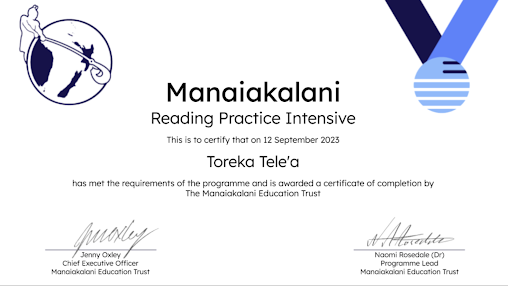
In the world of education, sharing is a fundamental aspect of the learning process. It bridges the gaps between individuals, fostering connections, and creating a sense of community. In the Manaiakalani Reading Practice Intensive (RPI), sharing takes center stage as a powerful tool for enriching the reading experience of young learners. Today, we delved into the different facets of sharing and its significance in the context of reading education especially in the Manaiakalani cluster and network. Today was also the last session of RPI for my cohort.
 Dorothy started by acknowledging how as educators, we often find ourselves pressed for time, and sharing is the component that sometimes gets squeezed out of our routines. It's important to recognise that sharing is a force that brings people together. It is an essential part of our humanity, allowing us to connect on various levels.
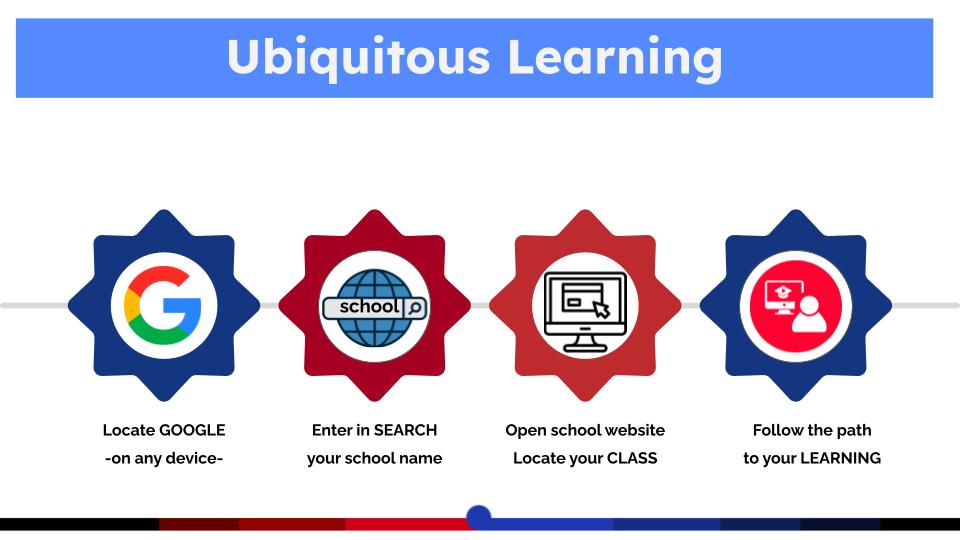
 Sharing extends beyond the classroom, reaching an authentic audience that chooses to engage with our thoughts and ideas. This audience can include peers, classmates, the school community, families, and even the broader global community. In today's digital age, blogging has become the primary online space for young people to share their thoughts, experiences, and learning journeys. Student blogs serve can serve as rich sources of information. Their blogs acts as a digital archive, preserving their written work and showcasing their reading and other interests.
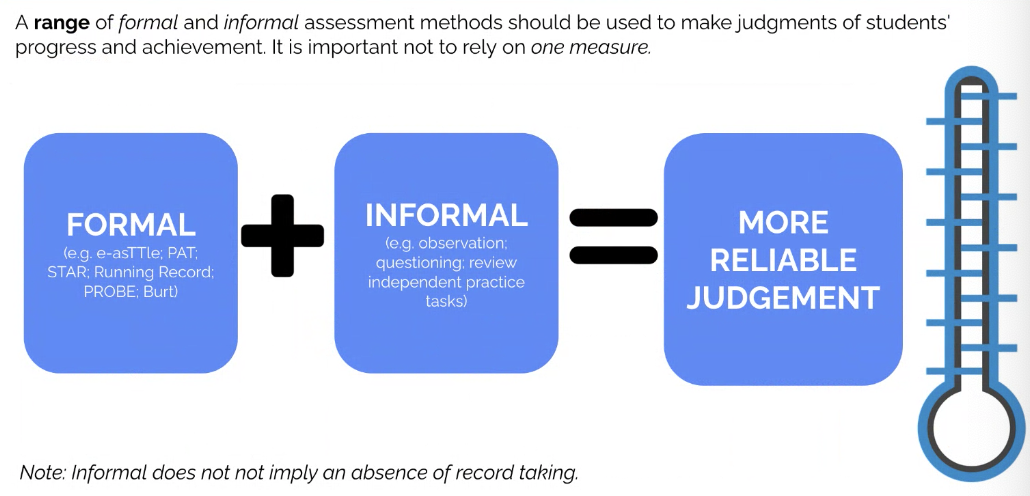
Teachers play a pivotal role in the blogging process. They should actively engage with and co-read blogs alongside their students. By doing so, they formatively assess students' progress and provide valuable feedback. Student blogs serve as records of their reading journey, including learning intentions, personal responses to texts, and evidence of comprehension. This information is particularly useful for new learners at the beginning of the school year.

While class sites and class blogs are primary online spaces for learners, teachers also use them to share their reading program designs with other educators. This sharing process enables the visibility of program routines and innovations, allowing teachers to learn from one another. It's like having a set of favorite teachers to "stalk" regularly for inspiration and ideas.
Planning for Share
The success of sharing in reading education requires careful planning. To ensure its effectiveness, teachers must consider several factors, including :
- Encouraging spontaneity without stifling enthusiasm.
- Inspiring students to share items of their own interest.
- Creating an easily recognizable icon that prompts students to blog.
- Monitoring the completion of sharing activities.
- Defining priority reading-related learning that learners should post to their blogs weekly.
- Setting clear learning goals and aligning posting schedules with students' availability.
- Promoting audience engagement through comments and discussions.
- Prioritizing content quality over quantity.
- Allowing time for reflection and revision.
- Establishing a feedback loop for constructive feedback on posts.
- Encouraging diverse content formats and topics to keep blogs engaging.

Providing effective feedback is crucial for growth in reading education. Feedback can be evaluative (summative), descriptive (formative), or generative (formative). Research shows that descriptive feedback with generative elements is more effective than evaluative feedback.
Teachers should plan and scaffold peer-to-peer feedback, helping students understand what they need to learn, where they stand in their learning journey, and what their next steps should be. Effective descriptive feedback should focus on the learning intentions or goals of the task.
To create a holistic reading experience, it's essential to involve students' families. Deliberate efforts should be made to connect with families and engage them in reading activities. Some strategies include:
- Reinforcing ways for students to take books home and involve their families.
- Encouraging families to participate in reading challenges.
- Soliciting recommendations for texts from families.
- Creating spaces for family feedback and involvement in reading activities.
Sharing is not just an activity; it's a way of building connections, fostering growth, and enriching the reading experience. I feel that today's session was a fitting end to the 9 sessions we've had for RPI this year. I am very thankful to the RPI team for the work they put into designing and facilitating our programme. I have come away from each session with so much new knowledge and many ideas I am always excited to implement. Thank you to the RPI team, my RPI mentor and my school for signing me up to participate in this year's RPI course. Ngā mihi nui.